

Gas Anesthesia in Dogs and Cats, Step by Step

A safe gas anesthetic in a dog or cat is a sequence of small, correct steps: prepare, premedicate, induce, intubate, maintain, recover. This article walks through each one, with the points where cats and brachycephalic breeds need something different. Drug doses are left to your formulary and the patient in front of you.
1. Before the day
- History, full examination, ASA status and bloodwork as indicated by age and disease.
- Fasting (healthy adults): about 4–6 hours. Very young, very small (under 2 kg) and diabetic patients need shorter fasts and a plan for glucose. Patients with a history of regurgitation may need a longer fast. Water is usually allowed until premedication.
- Weigh the patient on the day; calculate drugs, fluid rate, circuit, bag and tube size in advance.
2. Premedication
- Combine a sedative with an analgesic suited to the procedure and the patient.
- Wait for the full effect before handling: a calm patient needs less induction drug and less gas.
- Pre-oxygenate for 3–5 minutes by flow-by or a loose mask in patients that accept it, especially brachycephalics and patients with respiratory or cardiac disease.
3. Induction and intubation
- Place an IV catheter.
- Give the induction agent slowly to effect.
- Choose the tube: the largest size that passes easily, with one size smaller and larger ready. Measure from the incisors to the thoracic inlet.
- Intubate under direct view with a laryngoscope.
- Connect to the circuit; start oxygen and the vaporizer.
- Inflate the cuff carefully: give a breath to about 20 cmH2O and add air only until the leak just stops. Over-inflation can tear the trachea, especially in cats.
- Tie the tube in and confirm placement (capnograph waveform, chest movement, breath sounds).
4. Maintenance
- Start the vaporizer at typical settings and adjust to depth signs.
- Run fluids (dogs 5 mL/kg/h, cats 3–5 mL/kg/h), warm actively from the start, and record values every 5 minutes.
- Ventilate when indicated.
- Provide analgesia during surgery: local blocks and infusions reduce the gas needed.
5. Recovery
- Turn off the vaporizer and keep the patient on oxygen for a few minutes.
- Keep monitoring HR, breathing, SpO2 and temperature.
- Deflate the cuff just before extubation, then remove the tube at the right moment:
- Dogs: when they swallow strongly.
- Cats: a little earlier, once ear and palpebral reflexes return, to reduce the risk of laryngospasm.
- Brachycephalics: as late as possible, when they lift the head and chew.
- Place sternal with head and neck extended. Stay until the patient holds its head up and is warm.
- Continue analgesia and assess pain regularly.
Cat-specific tips
- Laryngospasm: spray the larynx with lidocaine and wait 30–60 seconds before intubating. Never force the tube.
- Tracheal tears: avoid over-inflating the cuff, and disconnect the tube from the circuit before turning the cat.
- Small size: use a non-rebreathing circuit or a low-volume circle, with a small bag and low-dead-space connectors.
- Hypothermia develops fast: warm before induction.
- Fluids: cats are more prone to fluid overload. Use a syringe or infusion pump and watch for a gallop rhythm, chemosis or crackles.
- Mouth gags: avoid spring-loaded gags held wide open; they have been linked to post-anesthetic blindness in cats.
Brachycephalic dogs and cats
- Expect airway obstruction at induction and recovery.
- Pre-oxygenate, induce quickly, and intubate immediately with a smaller tube than body weight suggests.
- Consider anti-emetic and antacid support for patients prone to regurgitation.
- Extubate late, keep the tongue pulled forward, and have a laryngoscope, small tubes and suction ready in recovery.
Pre-discharge checklist
- Normal temperature and mentation for the drugs given
- Walking or able to stand as expected
- Pain controlled, with a home analgesia plan
- Owner given written instructions and an emergency contact number
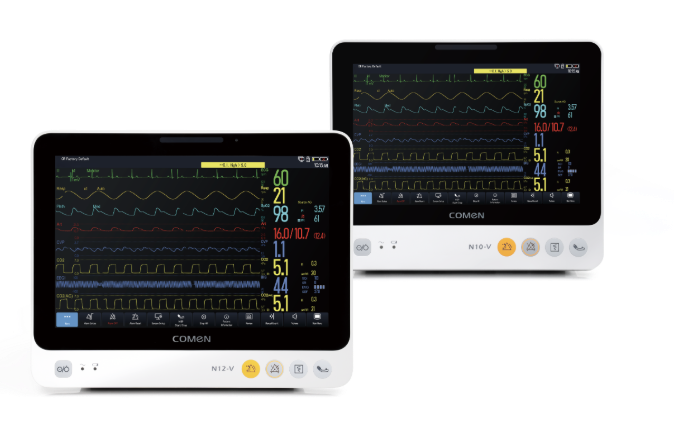
Equipment note from Raed Alsharq: Pair a Comen anesthesia machine with a Comen N Vet patient monitor and the M260-V syringe pump or ME660-V infusion pump for accurate fluid and drug delivery in cats and small dogs. Contact us.
This article is for veterinary professionals and is educational only.