Veterinary Laboratory Analyzers in Saudi Arabia
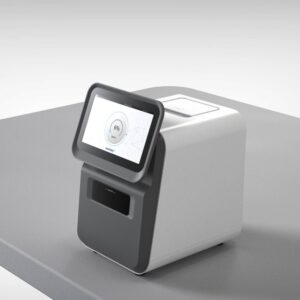
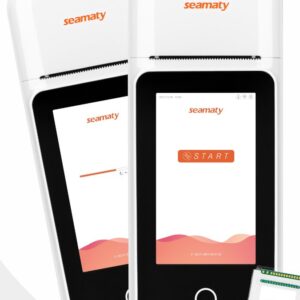
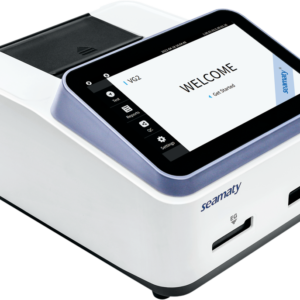
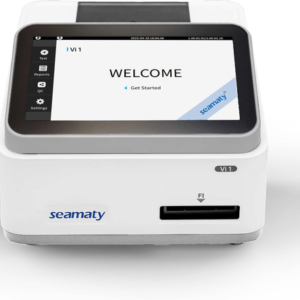
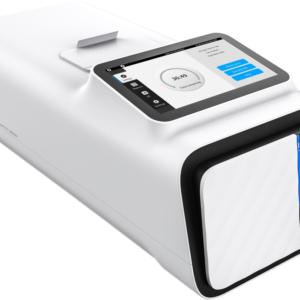
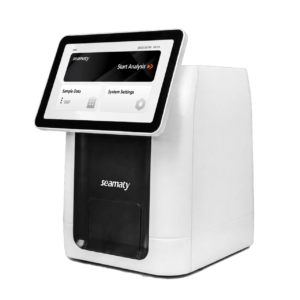
Veterinary laboratory analyzers in Saudi Arabia – in-clinic blood testing equipment for dogs, cats, horses, camels and other animals. An in-clinic laboratory lets you run bloodwork while the patient is still in the consulting room, instead of waiting a day or more for results from an external laboratory.
What an in-clinic veterinary laboratory includes
A working clinic laboratory is normally built from a small number of instrument types:
Biochemistry (chemistry) analyzers – liver, kidney, pancreatic and electrolyte panels from a small whole blood, plasma or serum sample. Fully automatic bench-top models suit a steady daily caseload.
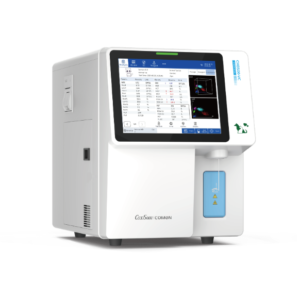
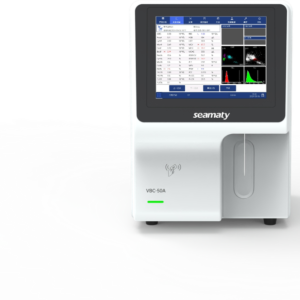
CBC hematology analyzers – white cell counts with a 5-part differential, red cell indices and platelets. This is the second instrument most clinics buy.
AI blood morphology – automated review of cell shape and appearance, which shows changes a cell counter alone cannot detect.
Blood gas and electrolyte analyzers – pH, blood gases, electrolytes and lactate for emergency, anesthetic and critical-care patients. Handheld units can be used at the cage side.
Immunoassay analyzers – hormones such as thyroid, cortisol and reproductive panels, inflammation markers including c-CRP, and infectious disease testing.
Real-time PCR – pathogen detection inside the clinic, with no need to ship samples.
Choosing a starter laboratory or a full diagnostic laboratory
Most clinics start with a chemistry analyzer and a CBC analyzer, then add immunoassay, blood gas and PCR as the caseload grows. If you are opening a practice, size the laboratory to the services you actually plan to offer rather than buying every instrument at once. Our veterinary clinic setup guide explains a typical build order, and the CBC analyzer buying guide covers what to compare between hematology models.
Supply, installation, training and support
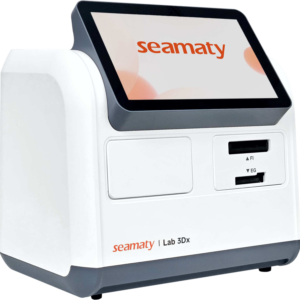
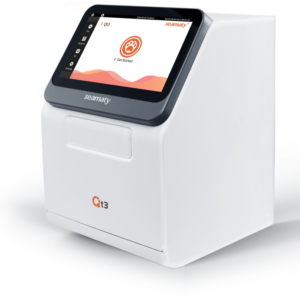
Raed Alsharq for Trading is the exclusive Seamaty distributor in Saudi Arabia and also supplies Comen hematology systems. Our team covers every region of the Kingdom and arranges delivery, installation and staff training.
Frequently asked questions
Which analyzer should a new veterinary clinic buy first?
A biochemistry analyzer and a CBC hematology analyzer together cover most first-opinion cases: pre-anesthetic screening, sick-patient work-ups, geriatric profiles and monitoring of chronic disease. Immunoassay, blood gas and PCR are usually added later, as the caseload justifies them.
What is the difference between a biochemistry analyzer and a CBC analyzer?
A biochemistry analyzer measures chemical analytes in plasma or serum – enzymes, proteins, glucose, urea, creatinine and electrolytes – and reports on organ function. A CBC analyzer counts and classifies the blood cells themselves, which is what shows anemia, infection, inflammation and platelet problems. The two tests answer different questions, so clinics normally run them side by side.
Will I still need an external laboratory?
Yes, for work that needs a laboratory setting: histopathology, bacterial culture and sensitivity, and specialised referral panels. An in-clinic laboratory is there to give same-visit answers on the common tests, which is where most of the clinical and commercial value sits.
Which species are supported?
The analyzers in this category include species profiles for companion animals, and several also cover horses, camels and livestock. Tell us which species you work with and we will confirm the profiles available on a specific model before you order.
Request a quote or email info@raedalsharq.com.