

Inhalation Anesthesia: The Essentials Every Clinic Vet Should Know

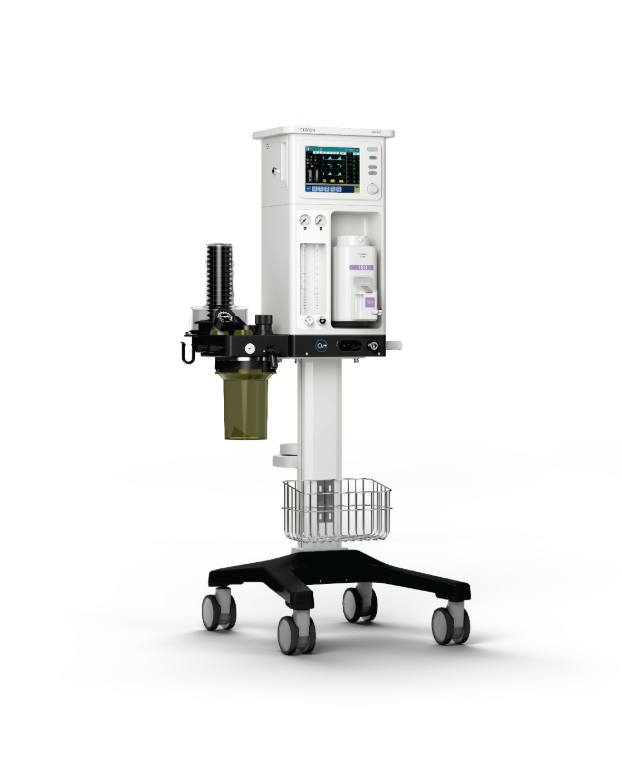
Inhalation anesthesia is the safest way to keep most dogs, cats and birds asleep for surgery, because you can deepen or lighten it within minutes and the lungs, not the liver, remove most of the drug. This article covers how it works, what MAC means in practice, and the workflow that keeps patients safe.
Why gas instead of injectable maintenance?
- Fast control. Change the vaporizer and depth changes within a few minutes; turn it off and the patient breathes the agent out.
- Little metabolism. Isoflurane is almost not metabolized and sevoflurane only about 3%, so sick livers and kidneys are spared.
- Oxygen comes with it. The carrier gas is oxygen, so every patient on gas is also oxygen-supplemented.
- A secured airway. Gas is usually given through an endotracheal tube, which protects the airway and lets you ventilate.
The trade-offs are real: inhalants give no pain relief after the gas is off, they cause dose-dependent vasodilation, hypotension and respiratory depression, and they need a working machine and a trained person watching the patient.
How the gas gets to the brain
The vaporizer adds a set percentage of agent to the oxygen. The patient breathes it into the lungs (alveoli in mammals, air capillaries in birds), it dissolves into the blood, and the blood carries it to the brain. Anesthetic depth follows the partial pressure in the brain, which closely tracks the end-tidal (exhaled) concentration.
| Property | Sevoflurane | Isoflurane | What it means for you |
|---|---|---|---|
| Blood:gas solubility | 0.68 | 1.46 | Lower = faster induction, faster recovery, faster response to dial changes |
| MAC in dogs (approx.) | 2.1–2.4% | 1.3% | Sevoflurane needs a higher dial setting for the same depth |
MAC in plain words
MAC (minimum alveolar concentration) is the end-tidal concentration that stops movement in response to a surgical stimulus in 50% of animals. It measures potency: the lower the MAC, the stronger the agent.
- 1 × MAC is too light for surgery in half of patients.
- About 1.2–1.5 × MAC is a typical surgical plane in an unpremedicated patient.
- Premedication and analgesia lower MAC. Opioids, alpha-2 agonists, benzodiazepines, ketamine and local blocks can cut the gas you need a lot. That is why modern protocols are “balanced”: less gas means better blood pressure.
- Things that lower MAC: old age, hypothermia, severe hypotension, pregnancy, illness. Things that raise it: young age, hyperthermia.
- The dial is not the brain. Early in the anesthetic the vaporizer setting is higher than the end-tidal value, especially on a rebreathing circuit with low flows. Read end-tidal agent if your monitor has gas analysis; otherwise trust the patient’s signs.
The anesthetic workflow in five phases
- Pre-anesthesia: history, examination, ASA status, bloodwork as indicated, fasting plan, IV catheter.
- Premedication: sedation plus analgesia, chosen for the patient.
- Induction: usually an injectable agent to effect, then intubation. Mask or chamber induction is kept for selected cases, such as many birds.
- Maintenance: gas in oxygen, fluids, warming, continuous monitoring and a written record.
- Recovery: continued monitoring, warmth, analgesia and extubation at the right time.
Recovery deserves extra attention. In the large UK CEPSAF study, postoperative deaths were 47% of anesthetic-related deaths in dogs and 61% in cats, and most happened within 3 hours of the end of anesthesia (Brodbelt et al., 2008). Someone should stay with the patient until it is warm, sternal and maintaining its own airway.
Key takeaways
- Use gas for maintenance, but build the protocol on good premedication and analgesia.
- Think in multiples of MAC, and remember premeds lower it.
- Watch the patient, not just the dial.
- Monitoring does not end when the vaporizer is turned off.
Equipment note from Raed Alsharq: We supply Comen veterinary anesthesia machines in Saudi Arabia, from the compact ARK5 and the ARK7 with integrated ventilator to the A5-V / A7-V and X6-V / X8-V workstations. Contact us or email info@raedalsharq.com for a demonstration.
This article is for veterinary professionals and is educational only. Settings are starting points; adjust them to the individual patient, local regulations and the product label.